
Two levels of performance.
The same diagnostic confidence.
EVERY SAMPLE PRESENTS
A UNIQUE CHALLENGE.
EVERY LABORATORY NEEDS
A CUSTOMIZED SOLUTION.
The CondaChrome® Pro range has been developed to provide fast, clear, and reliable chromogenic identification in microbiology. Now, as a result of the work carried out by our R&D department, a new generation is born — designed to address today’s diagnostic challenges and expand detection capabilities in the laboratory.
Two solutions.
The same standard of precision.
CondaChrome® UTIC Agar.
The efficient solution for routine analysis.
CondaChrome® Pro UTIC Agar.
Beyond the usual.
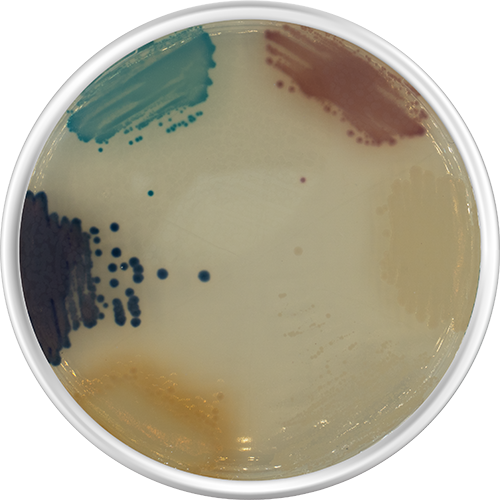
Designed for the rapid and easy identification of the most common microorganisms associated with urinary tract infections.
Ideal for laboratories looking for agility, reliability, and clear interpretation in routine samples.
Rapid chromogenic identification
Easy visual differentiation
Excellent performance in routine microbiology
Daily workflow optimization
When the sample requires a higher level of detection, you need a tool capable of finding what other media may overlook.
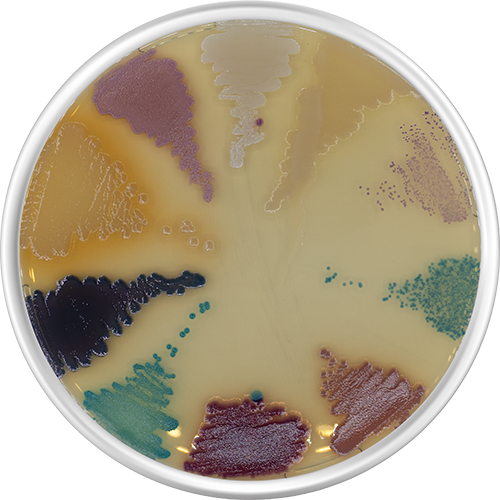
CondaChrome® Pro UTIC Agar expands the spectrum of detectable microorganisms and incorporates more advanced differentiation for clinically relevant microorganisms.
Expanded detection of urinary pathogens
Differentiation between E. coli and Citrobacter
Inclusion of emerging and clinically relevant microorganisms
Greater support for complex or challenging samples
Two solutions.
Which one should you choose?
CondaChrome® UTIC Agar.
Cat. 1424.
For routine, fast, and efficient microbiology.
CondaChrome® Pro UTIC Agar.
Cat. 2237.
For laboratories that require more advanced diagnostic capabilities, broader microbiological coverage, and superior differentiation.
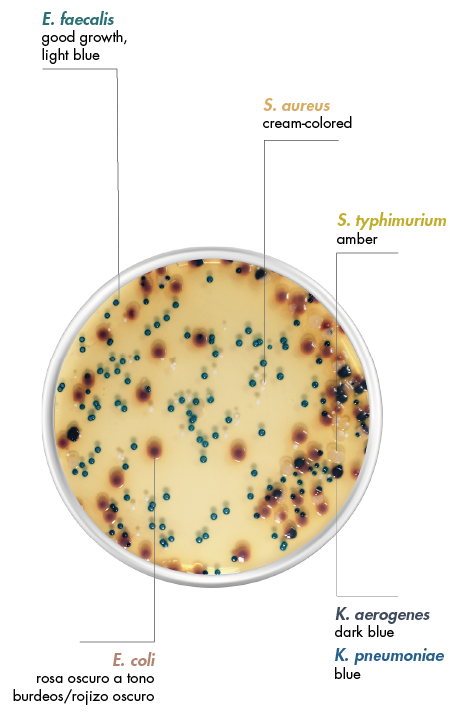
Chromogenic medium for the rapid and easy identification and differentiation of the most common microorganisms causing urinary tract infections: E. coli, Klebsiella pneumoniae, Pseudomonas, E. faecalis, Proteus mirabilis.
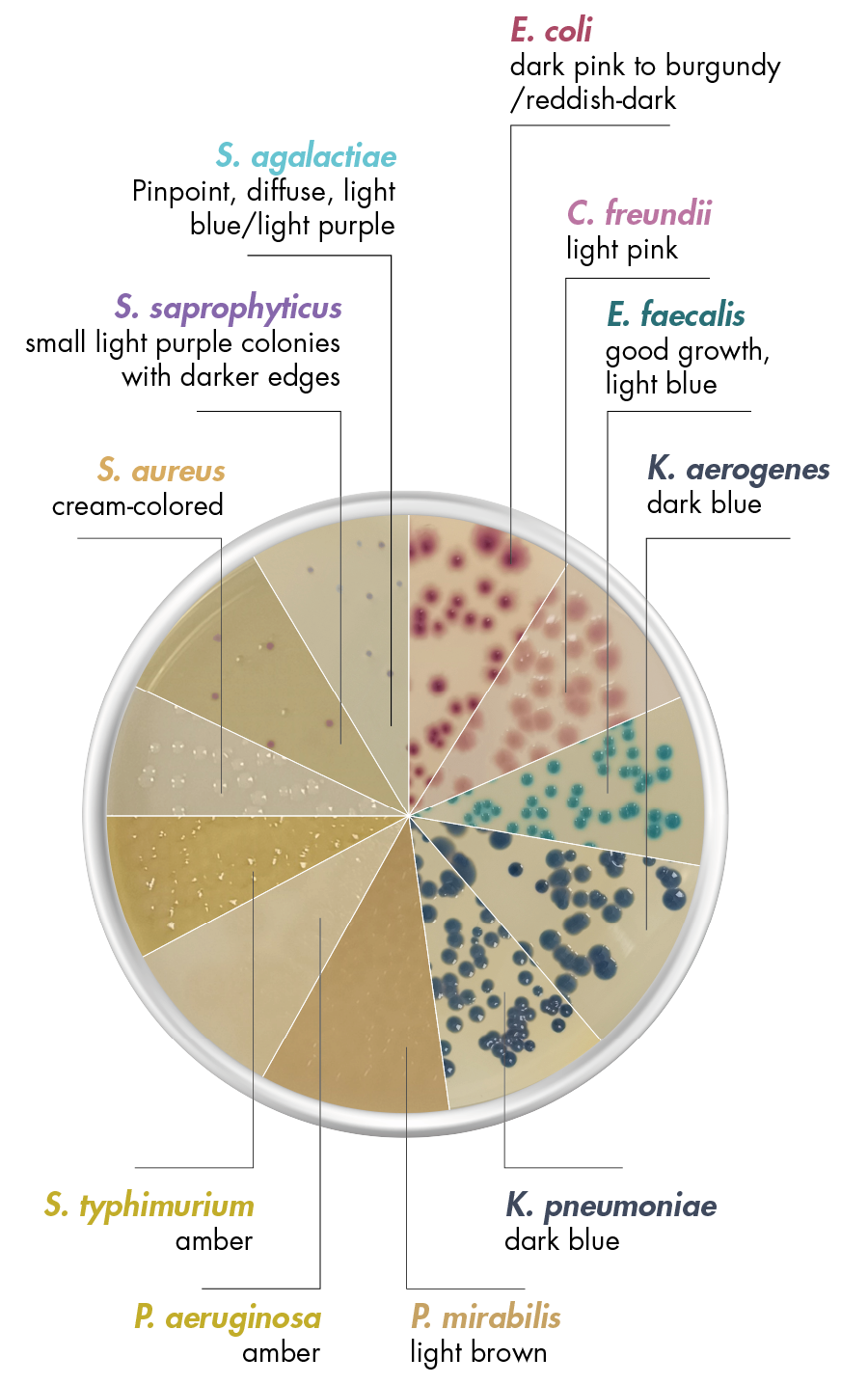
Medium for the simultaneous detection of a broader spectrum of microorganisms and pathogens. Clinically significant strains are included, such as Group B streptococci (Streptococcus agalactiae), Salmonella typhimurium, and Staphylococcus saprophyticus. In addition, it provides clear differentiation between E. coli and Citrobacter freundii colonies.
Which microorganisms does it identify?
Gram-negative::
Klebsiella aerogenes Dark blue colony
Klebsiella pneumoniae Dark blue colony
Salmonella typhimurium Amber colony
Escherichia coli Pink colony
Proteus mirabilis Light brown colony
Pseudomonas aeruginosa Amber colony
Gram-positive:
Enterococcus faecalis Light blue colony
Staphylococcus aureus Cream-colored colony
Incubation 35 ± 2 ºC – 18 -24h
Which microorganisms does it identify?
Gram-negative::
Citrobacter freundii Light pink colony
Escherichia coli Dark pink to burgundy/reddish-dark colony
Klebsiella aerogenes Dark blue colony
Klebsiella pneumoniae Dark blue colony
Salmonella typhimurium Amber colony
Proteus mirabilis Light brown colony
Pseudomonas aeruginosa Amber colony
Gram-positive:
Streptococcus agalactiae Pinpoint, diffuse, light blue/light purple colony
Staphylococcus saprophyticus Small light purple colonies with darker edges
Enterococcus faecalis Light blue colony
Staphylococcus aureus Cream-colored colony
Incubation 35 ± 2 ºC – 18 -24h
Two solutions.
An expert team to help you choose.