ISO regulations: how to detect Candida albicans in cosmetics
Categories :
Microbiology
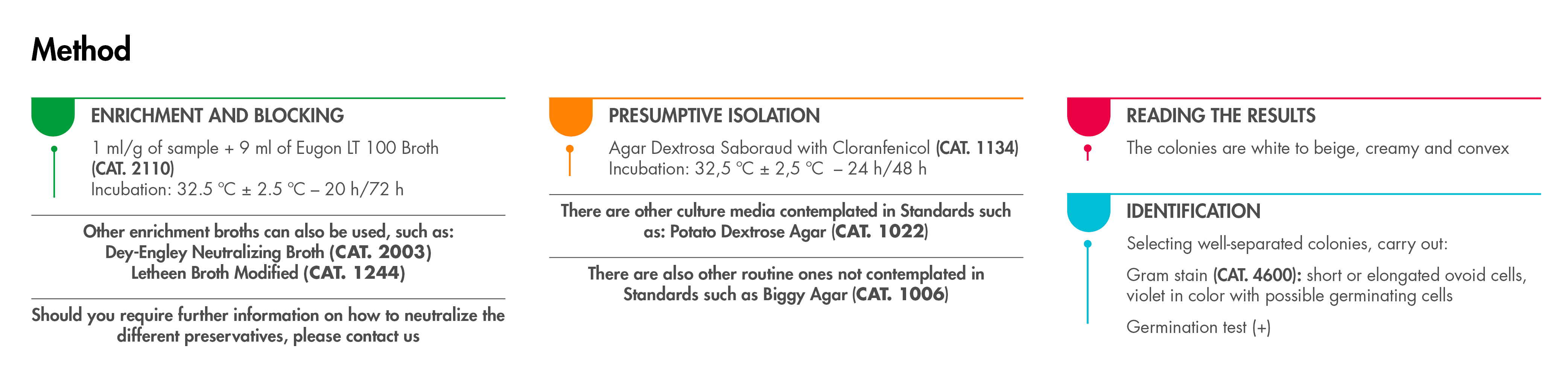
Procedure as defined by ISO 18416:2015
These are yeasts belonging to the Saccharomycetaceae family and the Candida genus. These fungi develop in a unicellular form and are saprophytes of human beings. It is extremely common to find them in oral cavities, gastrointestinal tract and vaginal area. Although they perform a very important function in in the fermentation of certain sugars for the organism, there are occasions when this microorganism acts as an opportunistic pathogen. On account of this, cosmetic products must be analyzed to identify the presence or not of this microorganism to avoid the unwanted consequences of an infection of C. albicans to the consumer.