
 Legionella Under Control: From Culture to qPCR
 3 Recommendations to Keep in Mind When Performing PCR
 Condalab brings its innovation to two major scientific conferences
 Detecting spoilage yeasts in beverages
 The 5 Most Common Mistakes When Preparing Dehydrated Culture Media
Categories: Microbiology
Culture media preparation is one of the most routine tasks in any microbiology laboratory.
However, even when working with high-quality dehydrated media, small mistakes during storage, preparation, or handling can affect the final performance of the medium and, ultimately, the reliability of microbiological results. Below, we review five of the most common mistakes made when preparing dehydrated culture media and the best practices to avoid them.
1.Improper Storage of Dehydrated Culture Media
Dehydrated culture media are designed to remain highly stable over time. However, maintaining their properties requires proper storage conditions, including appropriate temperature, humidity control, and protection from direct light. In addition, proper stock rotation helps ensure that products are used within their optimal shelf-life period.
Best tips
- Store media according to the manufacturer's recommendations.
- Keep containers tightly closed after each use.
- Implement stock rotation procedures to avoid prolonged storage.
2. Assuming Preparation Is Just Adding Water
One of the most common misconceptions is that preparing a culture medium simply involves mixing powder with water. In reality, factors such as water quality, equipment cleanliness, and mixing technique can significantly influence the final performance of the medium. Proper preparation contributes to better reproducibility and greater stability of microbiological results.
Best tips
- Use water of appropriate microbiological quality.
- Ensure all containers, instruments, and equipment are clean.
- Achieve a homogeneous mixture throughout the preparation process.
3. Poor Temperature Control During Preparation
Temperature plays a critical role in the preparation of culture media. Excessive heat can degrade nutrients, selective agents, and other sensitive components within the formulation. On the other hand, insufficient heating may prevent the complete dissolution of the medium, affecting its final characteristics. Finding the right balance is essential to preserve product quality.
Best tips
- Heat gradually
- Follow the temperature recommendations for each medium.
- Stir gently to promote uniform dissolution.
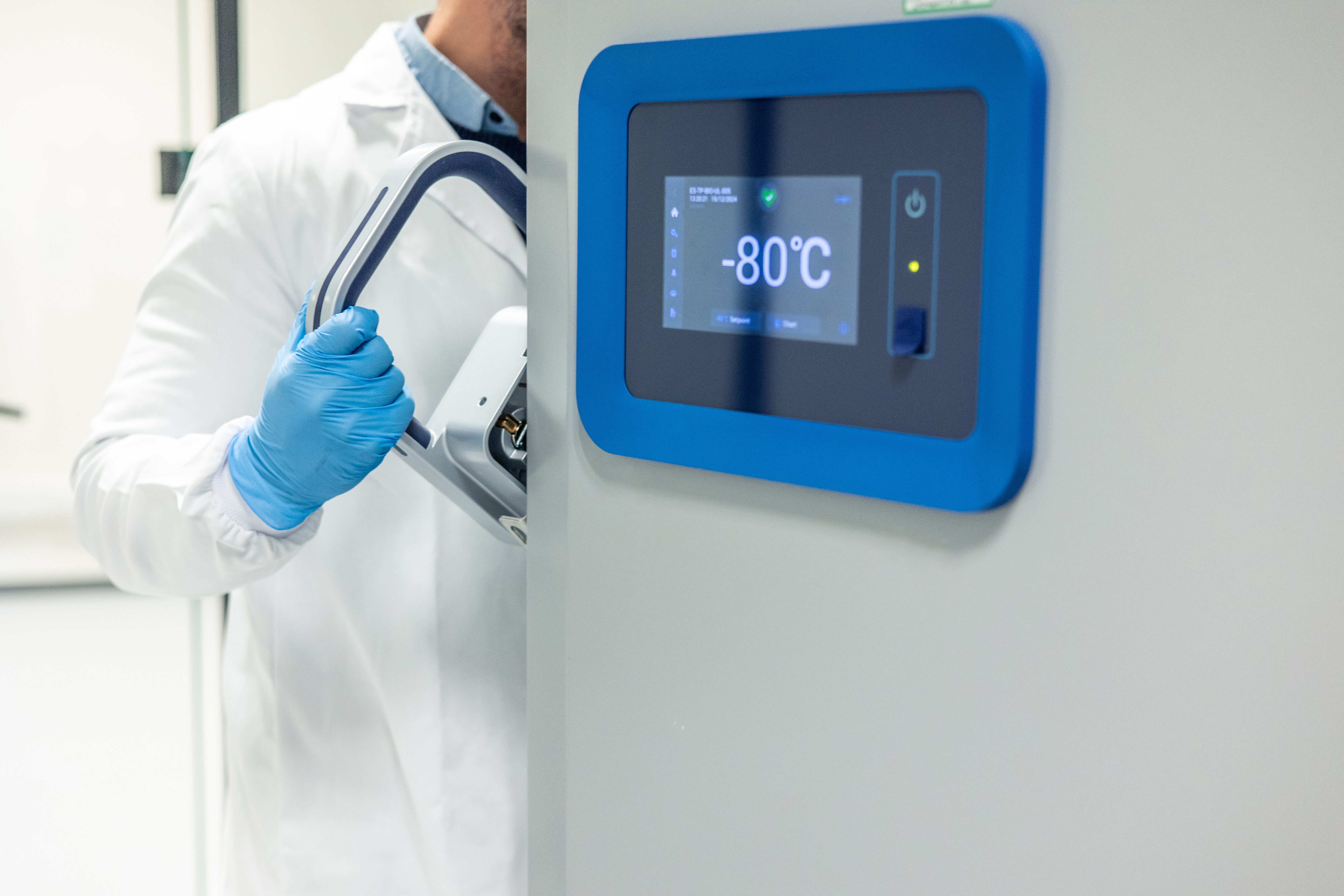
4. Measuring pH Before Sterilization
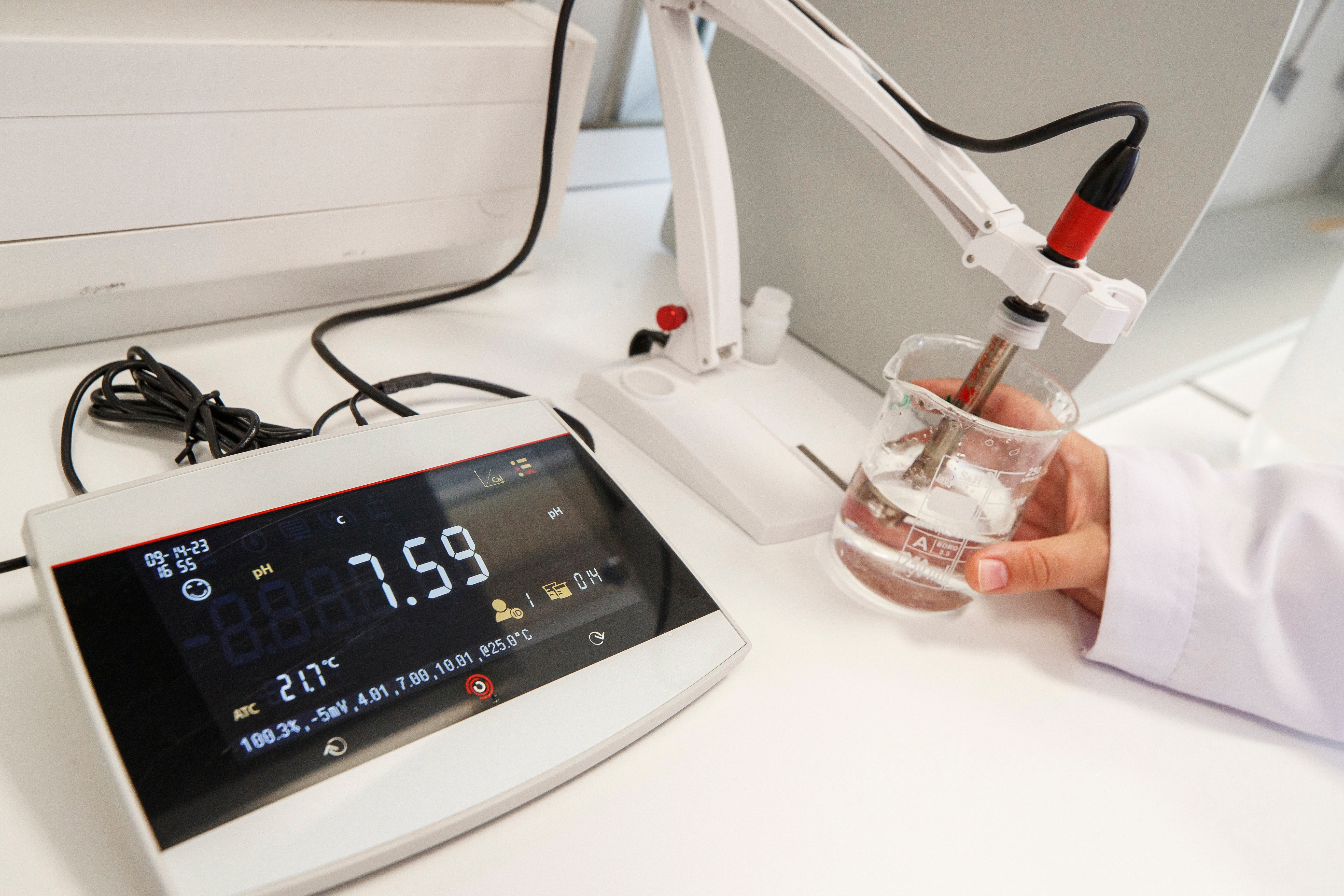
pH measurement is an important step in the preparation of many culture media, but timing matters. The sterilization process can alter the pH of the medium depending on its composition. As a result, adjusting the pH before autoclaving may lead to inaccurate final values.
Best tips
- Measure and adjust pH after sterilization.
- Allow the medium to cool to approximately 25 °C before measurement.
- Always verify the pH specifications for each formulation.
5. Improper Storage of Prepared Media
Once the culture medium has been prepared, storage conditions remain critical to maintaining its stability and performance. Condensation, moisture loss, and temperature fluctuations can affect prepared plates and reduce their shelf life.
Best tips
- Avoid stacking excessive numbers of plates to minimize condensation.
- Keep prepared media properly sealed to prevent dehydration.
- Avoid direct contact between plates and refrigerator walls.
The shelf life and performance of a culture medium depend on much more than its formulation. Proper preparation, combined with good storage practices before and after use, plays a crucial role in ensuring reliable and reproducible microbiological results. In microbiology, attention to detail makes all the difference. And in many cases, reliable results begin long before the first sample reaches the incubator.