
 Legionella Under Control: From Culture to qPCR
 3 Recommendations to Keep in Mind When Performing PCR
 Condalab brings its innovation to two major scientific conferences
 Detecting spoilage yeasts in beverages
 The 5 Most Common Mistakes When Preparing Dehydrated Culture Media
Categories: Microbiology
Microbial contamination not only affects the sensory quality of beverages but also compromises their shelf life, marketability, and consumer perception.
For this reason, microbiological control has become a fundamental component of quality assurance systems within the beverage industry.
Among the most problematic microorganisms in these products are highly resistant yeasts such as Brettanomyces/Dekkera and Zygosaccharomyces.
Why Are These Yeasts So Difficult to Control?
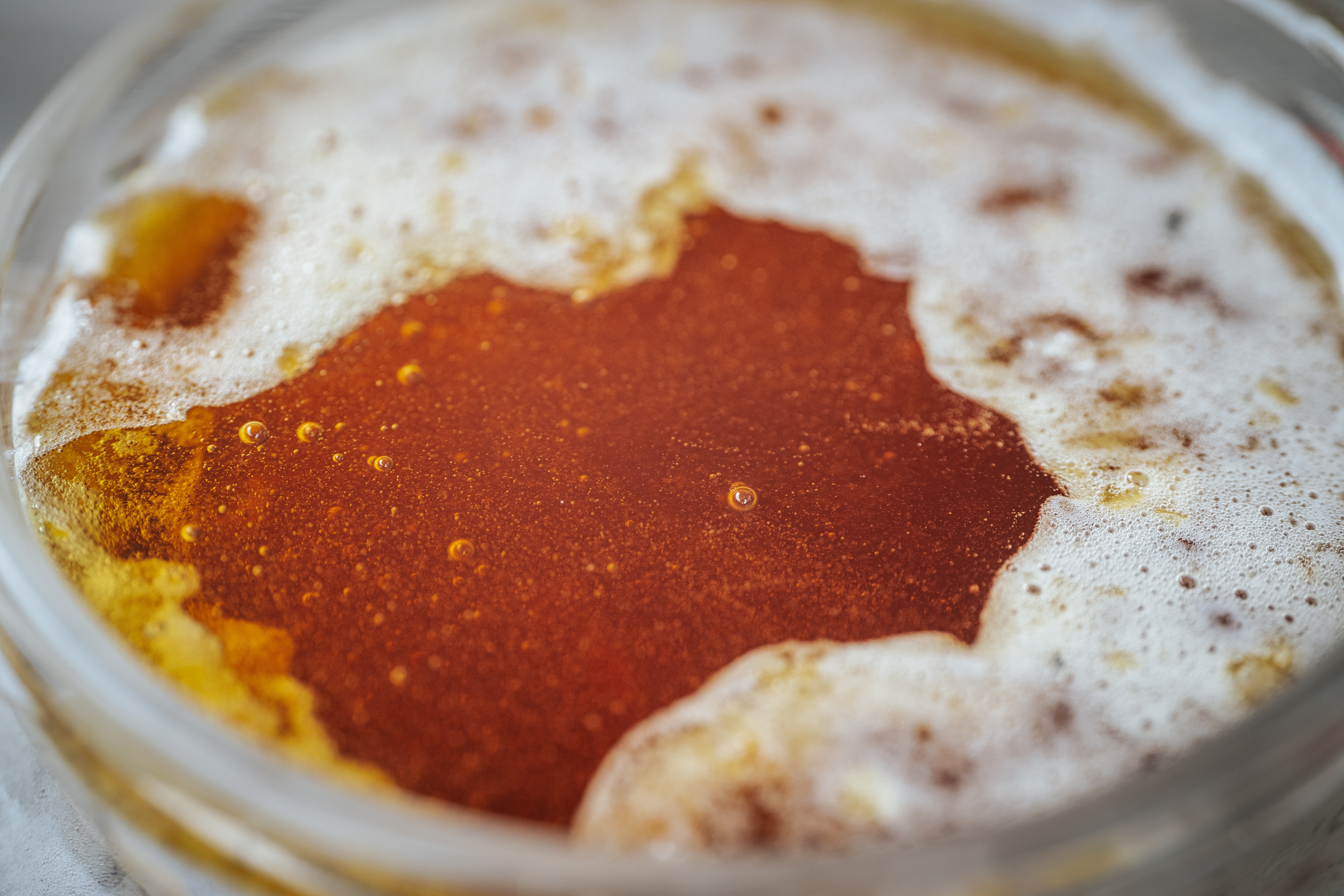
Brettanomyces/Dekkera and Zygosaccharomyces are two yeast genera well known for their impact on the microbiological stability and organoleptic characteristics of both fermented and non-fermented beverages.
While they may play a specific role in certain controlled processes, they are generally associated with spoilage in most industrial applications.
These yeasts exhibit remarkable tolerance to stressful conditions such as high sugar concentrations, acidic pH, ethanol, and certain preservatives.
This enables them to survive throughout the product's shelf life and even proliferate during the post-production stages. As a result, they can generate undesirable aromas and flavors, as well as cause re-fermentation, leading to physical defects such as container swelling or leakage.
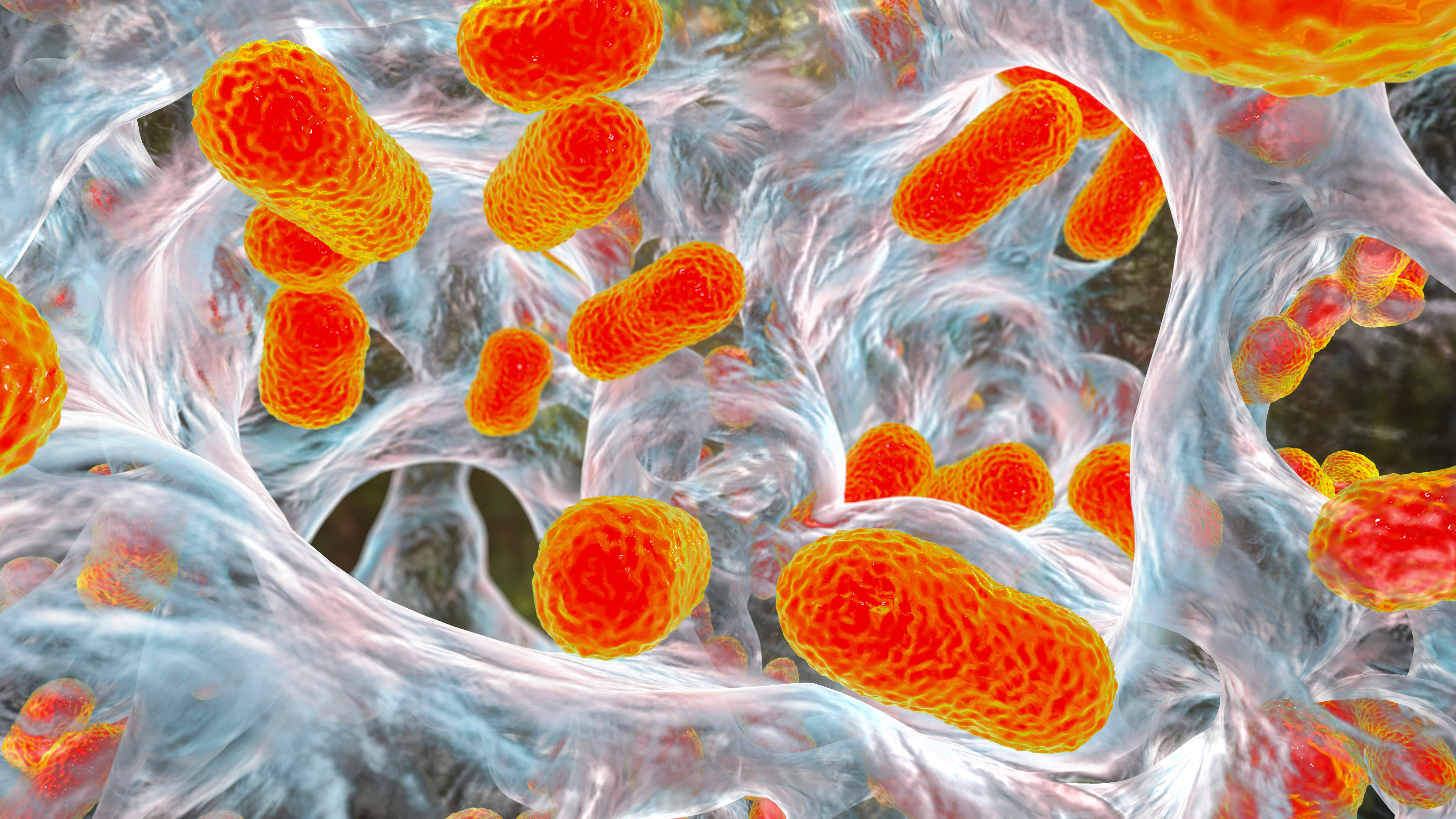
Their control represents a significant challenge due to their ability to adapt to hostile environments. They can persist in production facilities by forming biofilms on contact surfaces, making them difficult to eliminate through standard cleaning and disinfection procedures.
Furthermore, their growth may be slow under certain conditions, and contamination often remains undetected until sensory alterations become evident, directly affecting the quality of the final product.
The role of culture media
The use of specific culture media formulations recommended by IFU standards, such as Condalab's yeast and mold media, is essential for effective microbiological control.
Among these, WL Nutrient Agar is widely used for the differentiation of yeasts in fermented beverages, while Sabouraud Dextrose Agar with antibiotics provides selective recovery of yeasts and molds.
These media are specifically designed to perform under challenging conditions, including low pH, high osmotic pressure, and the presence of alcohol or preservatives. These formulations promote the recovery of target microorganisms, facilitating their detection even when present at low concentrations or in physiologically stressed states.
In addition, culture media play a key role in microbiological trend analysis, validation of cleaning and disinfection procedures, and in-process monitoring, making them indispensable tools for quality assurance and self-monitoring programs.
qPCR: A fast and reliable solution
In this context, the rapid and accurate detection of spoilage microorganisms has become essential for ensuring beverage quality and stability.
Although traditional culture methods remain widely used, they often require several days to deliver results and may fail to detect damaged or slow-growing cells.
To overcome these limitations, quantitative PCR (qPCR) offers a faster, more sensitive, and highly specific alternative.
It enables the detection of Brettanomyces/Dekkera and Zygosaccharomyces even during the early stages of contamination, allowing manufacturers to make timely decisions, reduce the risk of releasing compromised batches, and strengthen microbiological control programs throughout beverage production.
At Condalab, we offer Condagene® detection kits specifically developed for the detection and quantification of these spoilage microorganisms.
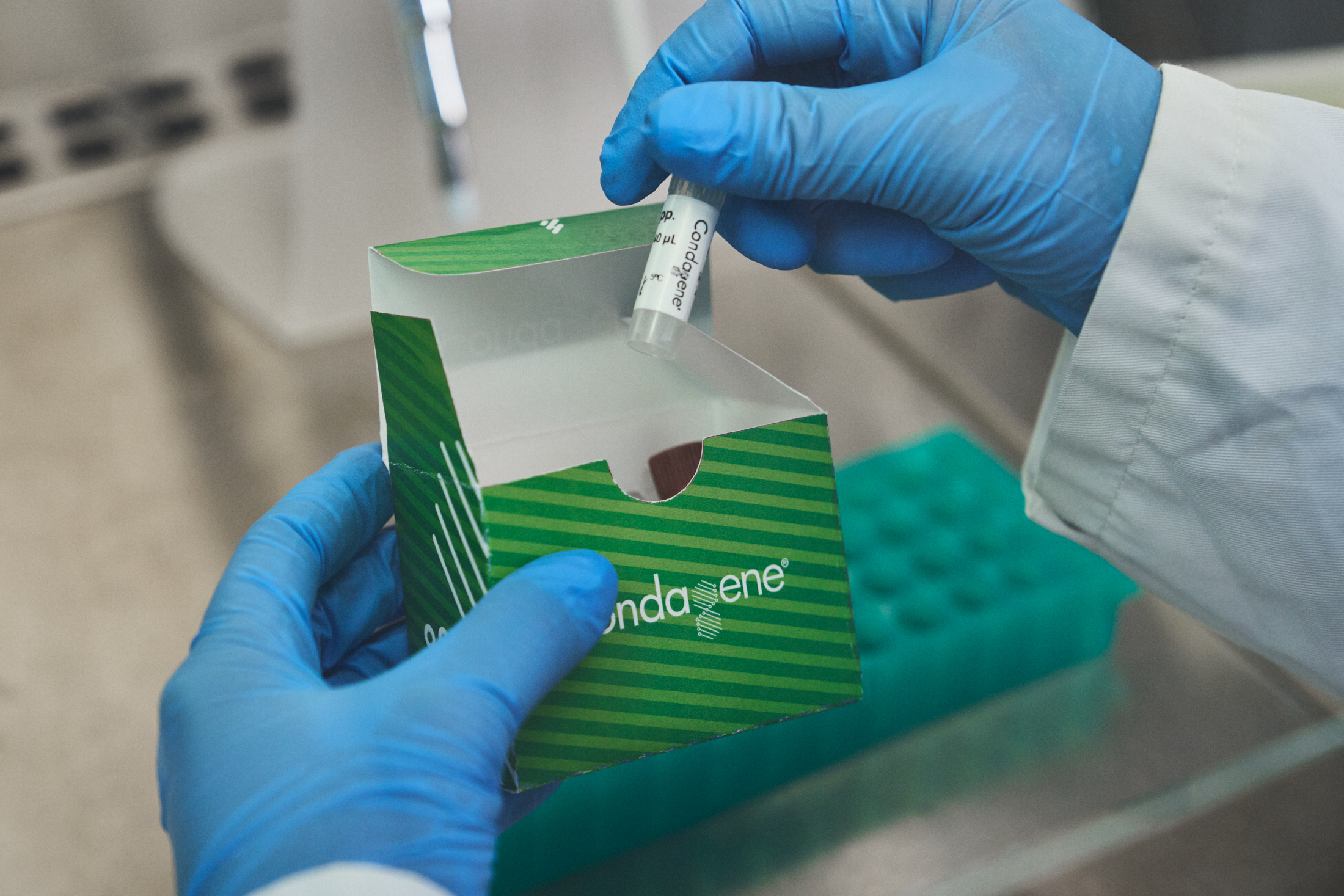
Why choosing Condagene® kits?
- Fast and reliable detection
- Ready-to-use format compatible with open-platform qPCR systems
- Quantification capability for positive samples
In addition, Condalab provides complete molecular diagnostic solutions, including extraction kits optimized for food matrices and the laboratory equipment required to implement qPCR workflows efficiently.
In an increasingly demanding market where product stability and sensory quality are critical, the early detection of spoilage microorganisms has become an essential strategy for beverage manufacturers.
Combining traditional culture methods with molecular techniques enables faster and more informed decision-making while reinforcing the microbiological safety and overall quality of the final product.
Download our brochure to learn more about our solutions for spoilage yeast detection in the beverage industry.